


Understanding the Culture
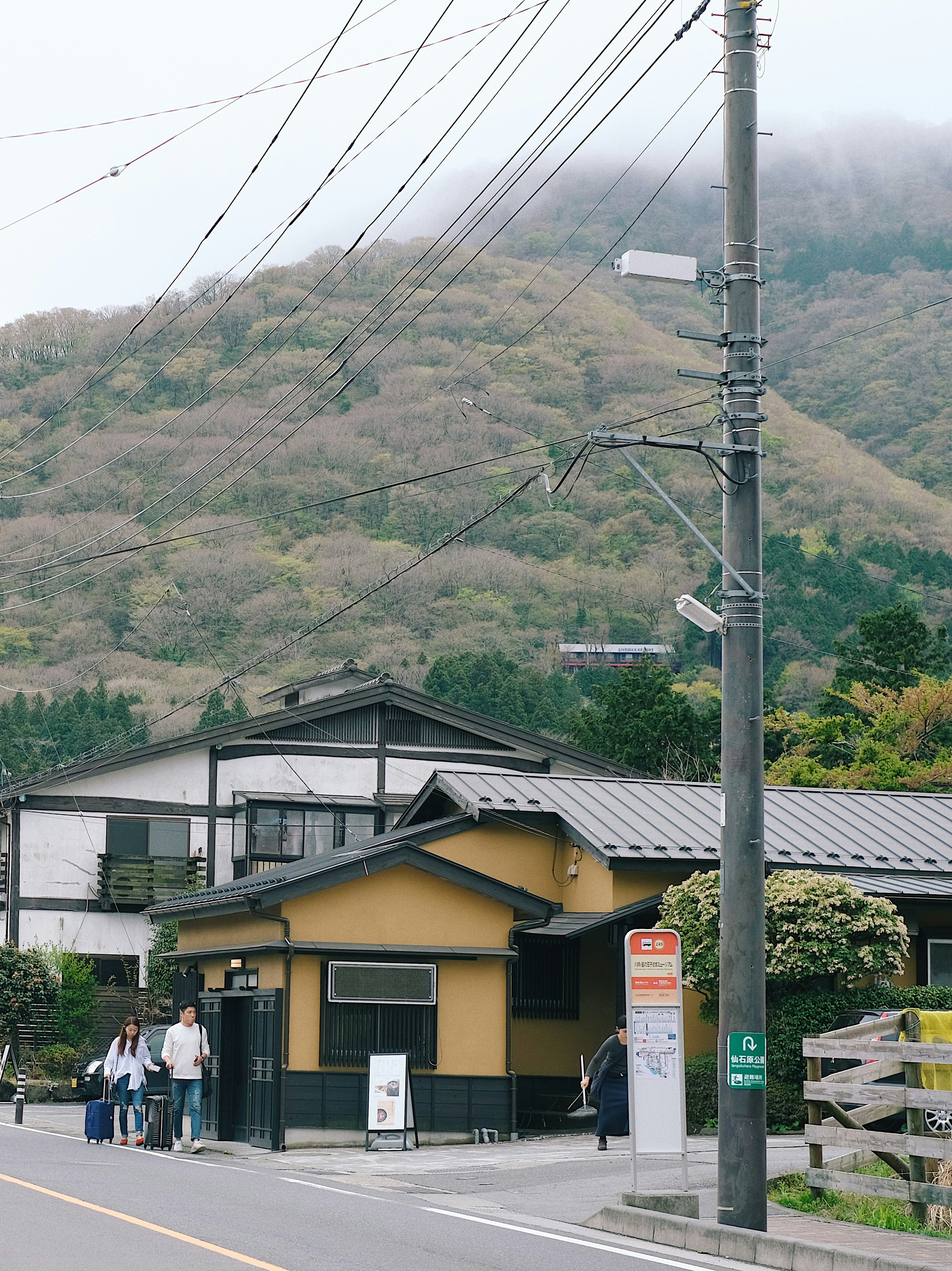
Japan boasts a rich and diverse culture that is shaped by deep-seated traditions, customs, and a profound sense of social etiquette. For families moving to Japan, immersing themselves in this culture is not merely beneficial but essential for a smooth transition. One of the key aspects of Japanese culture is the concept of ‘wa,’ which translates to harmony. This principle underscores the importance of creating a peaceful coexistence among individuals, families, and the broader community. Understanding and respecting this concept can significantly ease the integration process for newcomers.
Another important aspect of Japanese culture is the practice of bowing, which serves as a common form of greeting, expressing gratitude, or apologizing. The depth and duration of the bow can vary, reflecting the relationship between individuals and the cultural context. Families should teach their children the nuances of bowing as it plays a significant role in daily interactions and is a sign of respect. Additionally, gift-giving is a deeply rooted tradition in Japan, often seen as a token of appreciation or goodwill. By familiarizing themselves with the social norms surrounding this practice, families can navigate social occasions more effectively and build positive relationships with their Japanese neighbors.
Japanese customs also emphasize punctuality, politeness, and cleanliness. It is imperative for families relocating to Japan to understand these values which are embedded in daily life. Parents should take the time to educate their children about the significance of these cultural traits, making the adaptation process more inclusive and fruitful. By embracing Japanese customs and demonstrating a willingness to engage with the local culture, families can foster mutual respect and understanding, thereby enriching their experience in this captivating country.
Navigating the Education System
The Japanese education system is distinct and operates under a structured framework that emphasizes discipline, respect, and academic achievement. Compulsory education in Japan spans nine years, including six years of elementary school and three years of junior high school. Following this, students may proceed to high school, which is not mandatory but highly recommended for a well-rounded education. It is vital for families relocating to Japan to understand that the curriculum is standardized across public schools, focusing on subjects such as mathematics, science, Japanese language, and social studies, along with arts and physical education.
Public schools generally adhere to the national curriculum and offer a cost-effective option for expatriate families. In contrast, private schools often provide more specialized programs, smaller class sizes, and unique educational philosophies. Choosing between public and private education may depend on the family’s values, the child’s learning style, and specific interests.
For expatriates, there are several international schooling options available. These institutions follow foreign curricula, such as the American, British, or International Baccalaureate systems, thus easing the adjustment of children who have relocated from various countries. However, international schools can be more expensive and may have limited availability depending on the region.
Language can pose a considerable challenge for children moving to Japan, especially if they are not proficient in Japanese. Many schools offer support for non-Japanese speaking students, which includes language immersion programs or bilingual education. Engaging in community activities and encouraging children to participate in extracurricular programs can facilitate smoother integration into the local educational landscape.
To help children adapt to this new academic environment, parents should maintain open lines of communication, fostering an atmosphere of support and encouragement. By understanding the nuances of the Japanese education system, families can make informed decisions and ease their children’s transition into a new academic setting.
Finding the Right Neighborhood
Choosing the right neighborhood is one of the most critical decisions when moving your family to Japan. Various factors play a crucial role in ensuring that the selected area aligns with your family’s lifestyle and needs. Firstly, the proximity to schools should be a priority. Japan’s educational system is highly respected, and there are options ranging from international schools to local public options. Researching schools in advance allows you to evaluate their educational rankings, teaching styles, and extracurricular activities available for children.
Another essential factor to consider is access to parks and green spaces. Family-friendly neighborhoods typically boast parks where children can play, families can participate in outdoor activities, and community events may be held. These areas contribute significantly to a child’s development and provide an excellent opportunity for families to engage with local residents.
Public transportation also plays a vital role in determining the suitability of a neighborhood. Japan is known for its efficient and extensive transit system, which includes trains, buses, and subways. Evaluating the accessibility of public transport from potential neighborhoods can significantly reduce commuting times and make daily activities easier for the entire family. It is advisable to examine transit schedules and routes to ensure they meet your family’s routine.
In addition, consider the availability of community resources, such as libraries, healthcare facilities, and recreational centers. Engaging with local amenities fosters community involvement, which can enhance your family’s and children’s overall experience in Japan. Furthermore, understanding local culture and traditions can help you feel more connected to your new neighborhood. Attend community events or festivals and explore local markets to gain insights into the unique customs that make each area special.
Healthcare and Insurance in Japan
Japan boasts a highly efficient healthcare system renowned for its quality and accessibility. The country operates under a universal healthcare model, ensuring that all residents, including expatriates, have access to medical services. This system is grounded in mandatory health insurance, which is crucial for managing healthcare costs. Families planning to move to Japan should familiarize themselves with the health insurance options available, such as Employee Health Insurance and National Health Insurance, to select the one that best meets their needs.
Health insurance in Japan significantly reduces out-of-pocket expenses for medical treatments, covering approximately 70% of total medical costs. Families will appreciate this insurance structure, particularly in cases of unexpected illnesses or accidents. However, it is essential to apply for insurance promptly after arrival, as no coverage will be available until the application is finalized. The application process involves submitting forms to the local ward or city office, so new families should prepare for this step immediately upon settling in.
Navigating the healthcare landscape can pose challenges, especially due to language barriers. Many Japanese healthcare providers may not speak English fluently. Nevertheless, larger hospitals in urban areas often have multilingual staff, making access to medical services easier for families. To overcome communication hurdles, families should consider learning basic medical vocabulary in Japanese or recruiting an interpreter. Additionally, carrying medical documents, such as vaccination records and other health information, translated into Japanese can streamline consultations.
In conclusion, understanding the healthcare system in Japan is vital for families relocating to the country. By securing appropriate health insurance and being proactive about finding suitable healthcare providers, families can ensure a smoother transition into their new lives, promoting their overall health and well-being while living in Japan.