
Understanding Furnished Rentals
In Japan, furnished rentals refer to properties that come equipped with essential furniture and amenities, making them immediately livable for tenants. Typically, these rentals include items such as beds, sofas, dining tables, chairs, and appliances like refrigerators, microwaves, and washing machines. The concept caters primarily to individuals or families seeking a hassle-free living experience without the need to purchase or transport their own furniture.
The demographic groups that often prefer furnished rentals include expatriates, short-term travelers, students, and professionals on temporary assignments. For these individuals, the appeal lies in the convenience these properties offer. Furnished rentals allow tenants to avoid the time-consuming logistics of moving and furnishing a home, especially in a culturally and linguistically different environment such as Japan. This seamless transition enables newcomers to focus on settling into their daily routines, whether they are studying, working, or adjusting to a new lifestyle.
Advantages of furnished rentals also extend to flexibility. For those who may not want to commit to a long-term lease, furnished units often come with shorter rental agreements and less stringent exit options. However, potential drawbacks must be considered as well. The cost associated with furnished rentals can be significantly higher than unfurnished options, as the included furniture and amenities are factored into the monthly rent. Additionally, tenants might find that the pre-selected furnishings do not align with their personal style or preferences, leaving them with limited customization options. Thus, while furnished rentals provide immediate comfort and convenience, they may not suit those with specific design tastes or budget constraints.
Exploring Unfurnished Rentals
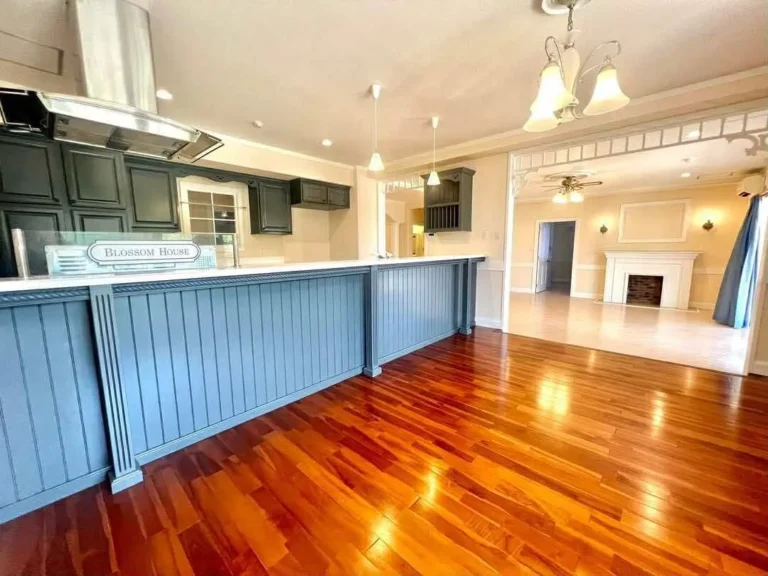
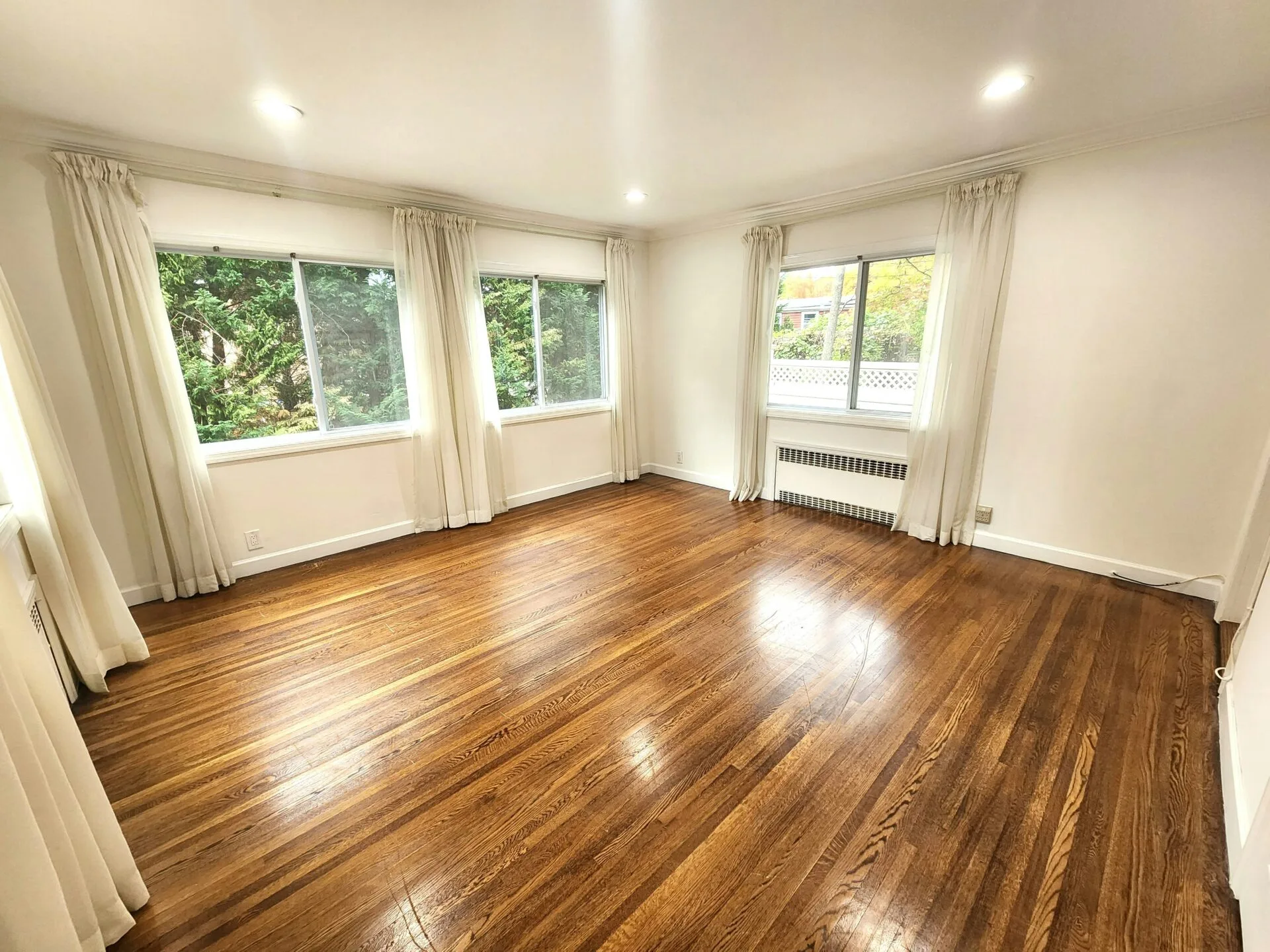
Unfurnished rentals in Japan are properties that typically do not include any furniture, appliances, or significant amenities beyond the basic fixtures and fittings. This means units will generally come equipped with essentials such as a kitchen with cabinets and a sink, a bathroom, and sometimes a heater or air conditioning unit. However, they lack the additional furnishing that many may expect in a fully furnished rental.
One of the principal advantages of choosing an unfurnished rental is the potential for lower rental costs. These properties are often less expensive compared to their furnished counterparts, allowing tenants to save money, especially in competitive urban markets like Tokyo or Osaka. Moreover, renters who decide on an unfurnished unit have the freedom to personalize their living space. This aspect appeals particularly to individuals who have specific design preferences or who have specific furniture pieces they wish to incorporate, allowing for a space that reflects their personal style and comfort.
However, the disadvantages of choosing unfurnished rentals should not be overlooked. One of the main challenges is the considerable effort and expense involved in furnishing an apartment from scratch. Tenants are often required to purchase or rent large items such as beds, couches, and kitchen appliances, which can take both time and financial resources. Furthermore, it may take some time to gather these essentials, potentially leading to an initially less comfortable living situation.
Unfurnished rentals typically attract a target audience that includes long-term residents or expatriates who are planning to stay for several years and can justify the investment in furniture. This option might also appeal to those who wish to create a unique living experience tailored to their tastes. Understanding both the benefits and challenges of unfurnished rentals is crucial for tenants considering this housing option in Japan.
Cost Comparison: Furnished vs. Unfurnished
When considering a rental in Japan, understanding the cost dynamics between furnished and unfurnished options is essential. Typically, furnished rentals are priced higher than their unfurnished counterparts due to the added convenience of included furniture and appliances. Average monthly rental prices for furnished apartments in urban areas such as Tokyo can range from ¥150,000 to ¥250,000, depending on the property’s size and location. In contrast, unfurnished rentals generally fall within the ¥100,000 to ¥200,000 range. However, it is crucial to note that these prices can vary significantly based on factors like proximity to public transportation and neighborhood desirability.
Initial costs also differ markedly between the two types of rentals. Furnished units may require lower upfront costs as they do not necessitate purchasing furniture. Conversely, tenants opting for unfurnished apartments should anticipate additional expenses for acquiring essential items such as beds, sofas, and kitchen appliances. This initial investment can range from ¥50,000 to ¥200,000, depending on the quantity and quality of the furnishings required. It is vital for prospective renters to account for these initial costs as part of their budget when planning a move to Japan.
Ongoing expenses represent another critical distinction between these rental types. Furnished apartments often include utilities like internet and water, potentially simplifying the financial management process. However, tenants may still be responsible for electricity and gas, leading to monthly bills that can cumulatively reach ¥15,000 to ¥30,000. In unfurnished rentals, the tenant incurs all utility costs separately, which can lead to unpredictable monthly expenses. Furthermore, maintenance responsibilities may also differ; in furnished rentals, landlords usually handle repairs and maintenance, while in unfurnished units, tenants may face additional costs related to upkeep.
Ultimately, the choice between furnished and unfurnished rentals significantly impacts the overall budget and financial planning for individuals or families relocating to Japan. Understanding these cost implications will help tenants make an informed decision that best aligns with their lifestyle and financial capabilities.
Making the Right Choice for Your Lifestyle
Choosing between furnished and unfurnished rentals in Japan depends largely on individual circumstances, including duration of stay, personal belongings, lifestyle habits, and specific work or schooling situations. Understanding your unique needs is crucial in making an informed choice.
If you are planning a short-term stay, a furnished rental may be the most convenient option. It eliminates the need for purchasing and transporting furniture, allowing you to settle in quickly. Conversely, for long-term residents, an unfurnished rental might be more appealing, offering the opportunity to personalize living spaces according to individual tastes and preferences. Moreover, it may also prove cost-effective in the long run, as you can invest in furniture that lasts throughout your stay.
Consider the number of personal belongings you possess. If you’re relocating with significant furniture and personal items, an unfurnished apartment can provide the space and utility required to house your belongings. In contrast, furnished rentals usually come equipped with basic essentials and may limit space for additional items.
Another essential factor is your day-to-day lifestyle. Those living a more transient or mobile lifestyle may find furnished rentals more suitable due to less commitment. On the other hand, if you anticipate putting down roots—such as enrolling in a long-term educational program or starting a new job—an unfurnished rental offers flexibility and the chance to create a homely environment.
When negotiating leases and understanding rental agreements in Japan, it is advisable to look for flexibility in terms of lease duration and the condition of the property. Many landlords are open to negotiation, especially with expatriates, but be aware of cultural nuances and norms that dictate rental processes. Familiarize yourself with the specifics of what each type of rental offers, as this can greatly impact your living experience in Japan. By carefully considering your situation and needs, you can choose the rental option—furnished or unfurnished—that best aligns with your lifestyle.