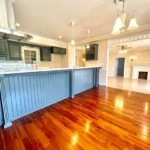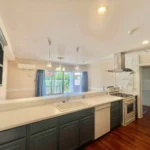

- Distinctive layouts and casoolas.ca elevate your home with tailored storage solutions
- The Evolution of Storage Design
- The Role of Materials and Finishes
- Maximizing Space with Smart Storage Solutions
- The Importance of Functionality and Accessibility
- Custom Storage Solutions – A Tailored Approach
- The Design and Implementation Process
- Beyond the Basics: Integrating Storage with Interior Design
- The Future of Smart Home Storage and Organization
Distinctive layouts and casoolas.ca elevate your home with tailored storage solutions
In today’s homes, maximizing space and maintaining a visually appealing aesthetic are often competing priorities. The desire for clutter-free living coupled with the need for efficient organization has led to an increased demand for intelligent storage solutions. Many homeowners are now looking beyond traditional closets and shelving units to create customized storage systems that seamlessly integrate into their living spaces. This is where companies like casoolas.ca come into play, offering innovative designs and tailored solutions to address these challenges. They specialize in creating functional and beautiful storage options that elevate the overall look and feel of a home.
Effective storage isn’t simply about hiding belongings; it’s about creating a system that enhances daily life. Thoughtfully designed storage solutions can reduce stress, save time, and contribute to a more peaceful and organized home environment. It's about turning potentially chaotic spaces into areas of calm and functionality. The key is to consider not only the quantity of items to be stored but also the lifestyle and aesthetic preferences of the homeowners. Investing in quality storage solutions can significantly increase the value and enjoyment of a home, and the expert services offered provide a tiered way to accomplish that.
The Evolution of Storage Design
The concept of storage has dramatically evolved over the years. Traditional methods often involved bulky, prefabricated units that lacked flexibility and aesthetic appeal. These units frequently dictated the design of a room rather than complementing it. However, modern storage design emphasizes customization and integration. Homeowners are now seeking solutions that are tailored to their specific needs and seamlessly blend with their existing décor. This shift has spurred the growth of companies specializing in bespoke storage options, offering a wide range of materials, finishes, and configurations. The emphasis has moved from simply accumulating possessions to curating a lifestyle, reflected in the way we design and organize our living spaces.
The demand for multi-functional furniture has also played a significant role in the evolution of storage. Pieces that serve dual purposes—such as ottomans with hidden storage compartments or beds with built-in drawers—are becoming increasingly popular, especially in smaller living spaces. This trend reflects a growing awareness of the importance of maximizing every square inch of available space. It's about creating intelligent designs that address the practical needs of modern living without compromising on style or comfort. Furthermore, the increasing prevalence of minimalist design principles has fueled the desire for streamlined storage solutions that promote a sense of calm and order.
The Role of Materials and Finishes
The materials used in storage design have a significant impact on both the aesthetic and functional aspects of a space. Traditionally, wood was the primary material of choice, offering durability and a classic aesthetic. However, modern storage solutions often incorporate a wider range of materials, including metal, glass, and even acrylics. These materials offer diverse visual textures and allow for greater design flexibility. The choice of finish—whether it’s a natural wood stain, a sleek lacquer, or a textured paint—can also dramatically alter the overall look and feel of a room. When seeking bespoke designs, as offered by casoolas.ca carefully considering the interplay of materials and finishes is crucial to achieving a cohesive and harmonious aesthetic.
Sustainability is also becoming an increasingly important consideration in material selection. Homeowners are now seeking eco-friendly options, such as reclaimed wood, bamboo, or recycled materials. These materials not only reduce environmental impact but also add a unique character and warmth to a space. The use of low-VOC finishes is also gaining popularity, as these minimize harmful emissions and contribute to a healthier indoor environment. A well-considered selection of materials and finishes can transform a simple storage unit into a statement piece that enhances the overall beauty and value of a home.
| Kitchen Cabinets | Wood, MDF, Particle Board | Paint, Laminate, Veneer | $3,000 – $15,000+ |
| Closet Systems | Wood, Metal, Laminate | Paint, Stain, Melamine | $1,500 – $8,000+ |
| Garage Storage | Metal, Plastic, Wood | Powder Coating, Paint, Sealant | $800 – $5,000+ |
The table above shows typical costs and materials for different storage areas. Costs can vary greatly depending on size, complexity, and material choices.
Maximizing Space with Smart Storage Solutions
One of the biggest challenges homeowners face is maximizing space, particularly in smaller homes or apartments. Smart storage solutions are designed to overcome this challenge by utilizing every available inch of space efficiently. This often involves thinking vertically, utilizing wall space with shelving units, and incorporating built-in storage into furniture. Under-bed storage, floating shelves, and clever use of corners are all effective strategies for maximizing space. The key is to identify underutilized areas and transform them into functional storage zones. Innovative designs can also make a significant difference, such as pull-out pantry shelves or adjustable closet rods.
Beyond simply adding more storage, smart solutions prioritize organization. Dividers, baskets, and labeled containers can help keep belongings neatly organized and easily accessible. This not only maximizes space but also reduces clutter and makes it easier to find what you need. Regular decluttering is also essential for maintaining an organized home. By periodically removing unwanted items, you create more space and prevent clutter from accumulating. Investing in a well-planned and organized storage system can significantly improve the functionality and livability of any home.
The Importance of Functionality and Accessibility
While aesthetics are important, functionality and accessibility should be the primary considerations when designing storage solutions. A beautiful storage unit that is difficult to use is ultimately impractical. Items should be stored in a way that makes them easy to access and retrieve. Frequently used items should be placed within easy reach, while less frequently used items can be stored in higher or more remote locations. Adjustable shelving and customizable compartments allow for greater flexibility and accommodate changing storage needs. Considering the user’s habits and routines is crucial for creating a functional and accessible storage system.
Ergonomics also plays a role in storage design. Shelves and cabinets should be positioned at a comfortable height to minimize strain and prevent injuries. Pull-out drawers and rotating shelves can make it easier to access items in deep cabinets. Adequate lighting is also essential for ensuring visibility and making it easier to find what you’re looking for. By prioritizing functionality and accessibility, you can create a storage system that is not only beautiful but also practical and user-friendly.
- Vertical Storage: Utilizing wall space with shelving units and tall cabinets.
- Multi-functional Furniture: Choosing pieces with hidden storage compartments.
- Under-Bed Storage: Maximizing space under beds with drawers or containers.
- Clever Corner Utilization: Employing corner shelves or cabinets to maximize space.
- Modular Systems: Selecting storage components that can be arranged and reconfigured as needed.
These are some different ways to maximize space in a home. Effective storage is more than simply buying furniture; it's about understanding the use of space.
Custom Storage Solutions – A Tailored Approach
While ready-made storage solutions can be a convenient option, custom storage solutions offer the ultimate in flexibility and personalization. Companies like casoolas.ca specialize in designing and building custom storage systems that are tailored to the specific needs and preferences of each homeowner. This allows for a truly unique and integrated storage solution that seamlessly blends with the existing décor and maximizes space utilization. Custom storage can be particularly beneficial in homes with unusual layouts or challenging spaces. A bespoke solution can address these challenges in a way that off-the-shelf options simply cannot.
The process of creating custom storage typically involves a consultation with a designer who will assess the homeowner’s needs, take measurements of the space, and develop a detailed design plan. This plan will typically include 3D renderings that allow the homeowner to visualize the finished product. Once the design is approved, skilled craftsmen will build the storage system using high-quality materials and attention to detail. The result is a storage solution that is not only functional and beautiful but also built to last. Investing in custom storage is an investment in the value and enjoyment of your home.
The Design and Implementation Process
The design and implementation process for custom storage solutions is typically a collaborative effort between the homeowner and the design team. It begins with an initial consultation to discuss the homeowner’s needs, preferences, and budget. The design team will then conduct a site visit to take measurements, assess the space, and identify any potential challenges. Based on this information, they will develop a preliminary design plan, which may include sketches, 3D renderings, and material samples. The homeowner will have the opportunity to provide feedback and request revisions to the design until it meets their complete satisfaction.
Once the design is finalized, the construction phase begins. Skilled craftsmen will build the storage system in their workshop or on-site, depending on the complexity of the project. Throughout the construction process, the design team will maintain close communication with the homeowner to ensure that the project is progressing smoothly. Finally, the completed storage system will be installed and any necessary finishing touches will be applied. A well-managed design and implementation process ensures that the final product meets the homeowner’s expectations and enhances the functionality and beauty of their home.
- Initial Consultation: Discussing needs and preferences.
- Site Visit & Measurements: Assessing the space and identifying challenges.
- Design Development: Creating sketches, renderings, and material samples.
- Design Approval: Finalizing the design with homeowner feedback.
- Construction & Installation: Building and installing the custom storage system.
This outlines the steps involved in implementing custom storage. Following the process carefully leads to increased customer satisfaction.
Beyond the Basics: Integrating Storage with Interior Design
Storage solutions shouldn't be treated as afterthoughts; they should be seamlessly integrated into the overall interior design of a home. This involves considering the style, color palette, and materials used throughout the space. A well-integrated storage system can actually enhance the aesthetic appeal of a room, rather than detracting from it. For example, a built-in bookshelf can serve as a focal point in a living room, while a custom closet can add a touch of luxury and sophistication to a bedroom. The key is to view storage not as a utilitarian necessity but as an opportunity to create a cohesive and harmonious design.
The use of matching finishes and hardware can help tie storage solutions into the overall design scheme. For instance, using the same cabinet hardware throughout a kitchen or bathroom can create a sense of unity and consistency. Similarly, painting storage units the same color as the walls can help them blend seamlessly into the background. Careful attention to detail, such as incorporating decorative trim or adding glass doors, can also elevate the look of storage solutions. By thoughtfully integrating storage with interior design, you can create a home that is both functional and beautiful.
The Future of Smart Home Storage and Organization
The integration of technology into home storage and organization is a burgeoning field, promising even more sophisticated and convenient solutions in the future. Smart storage systems are beginning to emerge, incorporating features such as automated inventory tracking, voice control, and remote access. Imagine a closet that can suggest outfit combinations based on the weather or a pantry that automatically orders groceries when supplies are running low. These advancements are made possible by innovations in sensor technology, artificial intelligence, and the Internet of Things.
The focus is shifting towards creating truly intelligent homes that anticipate and respond to the needs of their occupants. This includes optimizing storage solutions to maximize efficiency and minimize clutter. As technology continues to evolve, we can expect to see even more innovative and integrated storage solutions that transform the way we live, offering not only organization but also deeper insights into our consumption habits and lifestyle patterns. These systems will be invaluable in the move toward more efficient and stress-free living, something that companies like casoolas.ca can help to implement now by building for the future.